
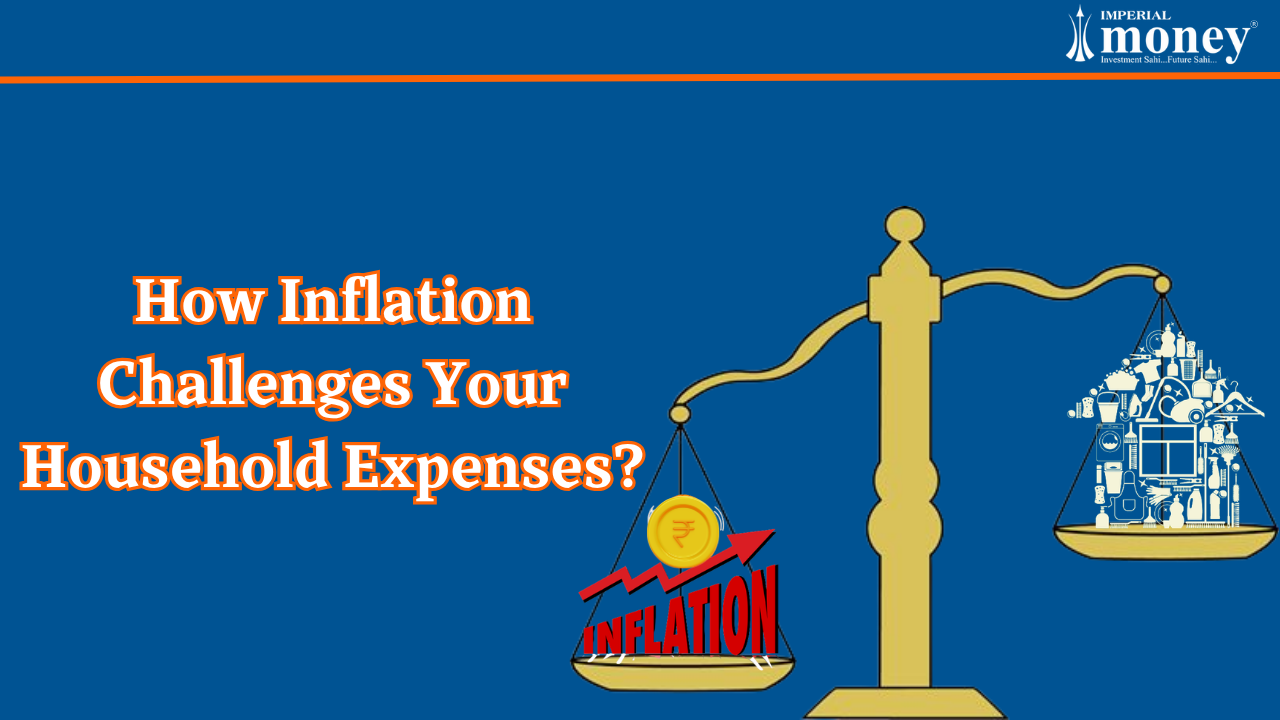
Inflation is a persistent economic phenomenon that affects every aspect of our lives, including our day-to-day household expenses. When the general price level rises over time, the purchasing power of our money decreases, leading to higher costs for goods and services. In this blog, we explore how inflation challenges household expenses and offer practical tips to navigate these economic waters successfully.
1. Impact on Everyday Essentials
Housing is a massive expense for most households, and inflation compounds this burden. Rent prices tend to rise alongside inflationary cycles, making it difficult for renters to maintain their living standards. Similarly, homeowners face higher property taxes, insurance premiums, and maintenance costs, creating a heavier financial squeeze.
2. Housing Costs and Rent
Housing is a massive expense for most households, and inflation compounds this burden. Rent prices tend to rise alongside inflationary cycles, making it difficult for renters to maintain their living standards. Similarly, homeowners face higher property taxes, insurance premiums, and maintenance costs, creating a heavier financial squeeze.
3.Impact on Debt and Borrowing
Inflation’s reach extends directly into debt management. While inflation can theoretically erode the real value of fixed debt over time, lenders react by increasing interest rates on new or floating-rate loans, including mortgages, auto loans, and personal loans. Higher interest rates translate to larger monthly payments, straining household budgets.
4. Education and Healthcare Costs
Education and healthcare expenses are critical areas where inflation outpaces general economic metrics. The cost of schooling, from primary education to top-tier universities, climbs faster than standard inflation, making quality education increasingly expensive. Likewise, escalating healthcare and medical insurance costs leave families vulnerable to steep out-of-pocket bills.
5. Impact on Retirement Savings
Inflation heavily disrupts long-term financial planning, particularly retirement funds. As the cost of living climbs, the real purchasing power of accumulated cash savings diminishes. Individuals must invest aggressively in asset classes that outpace inflation to ensure they do not run out of money during retirement.
6. Practical Coping Strategies to Beat Inflation
- Disciplined Budgeting: Create a comprehensive monthly budget to monitor spending, prioritize essentials, and trim discretionary waste.
- Smart Investments: Shift savings out of low-yield cash accounts and into growth-oriented instruments like equity mutual funds and inflation-hedging assets.
- Proactive Debt Management: Pay down high-interest liabilities and lock in favorable rates where possible.
- Continuous Upskilling: Focus on career advancement and skill development to boost earning potential and offset rising living costs.
Conclusion
Inflation is an undeniable economic reality that continually challenges household expenses. From everyday essentials to long-term retirement security, the rising cost of living affects every corner of personal finance. By adopting proactive financial strategies—such as disciplined budgeting, diversified investing, and seeking expert guidance—families can protect their purchasing power and secure a stable financial future.
Note: Mutual Fund investments are subject to market risks, read all scheme-related documents carefully.
